Exploring Hard Rubbish: Strategies for Proper Disposal
The increasing volume of hard rubbish, also known as bulk waste, poses a significant challenge for households and local councils. Effective disposal strategies are crucial not only for maintaining a clean environment but also for promoting sustainable practices. This comprehensive guide delves into the nuances of hard rubbish disposal, offering insightful strategies that are both practical and environmentally friendly.
Understanding Hard Rubbish
Before exploring ways to manage and dispose of hard rubbish, it's essential to understand what constitutes hard rubbish. Typically, these are large items that do not fit in the regular waste bins, including furniture, mattresses, appliances, and other bulk items.
- Household Appliances: Old refrigerators, washing machines, and microwaves are common hard rubbish.
- Furniture: This category includes sofas, dining tables, and other bulky furniture items.
- Mattresses and Bedding: Discarding mattresses is frequently encountered in household clearances.
It is crucial to identify these materials correctly to utilize appropriate disposal methods.
Challenges of Hard Waste Disposal
Disposing of hard rubbish poses several challenges, both for individuals and municipal authorities. When left unchecked, these issues can become environmental hazards.
Environmental Impact
Improper disposal can lead to landfill congestion, and some materials can take years to decompose, releasing harmful substances into the soil and water.
Space Constraints
Accumulation of hard rubbish can occupy significant space in residences and public areas when not disposed of regularly.
Health Risks
Items with sharp edges or toxic materials pose risks to health, affecting both people and wildlife.
Effective Strategies for Hard Rubbish Disposal
Adopting robust strategies can help in managing hard rubbish efficiently. Here are some of the most effective methods:
Council Collection Services
Most municipalities offer hard rubbish collection services, where residents can schedule bulk waste pick-up:
- Regular Collections: Councils typically set specific dates for neighborhood pick-ups.
- On-Call Collections: Many areas offer on-demand services, allowing scheduling based on personal convenience.
Consult your local council's website for details and ensure adherence to their guidelines to facilitate seamless collection.
Recycling and Repurposing
An excellent alternative is to recycle or repurpose hard rubbish, minimizing waste and extending the lifecycle of items:
- Recycling Centers: Many appliances and electronic devices can be recycled at designated centers.
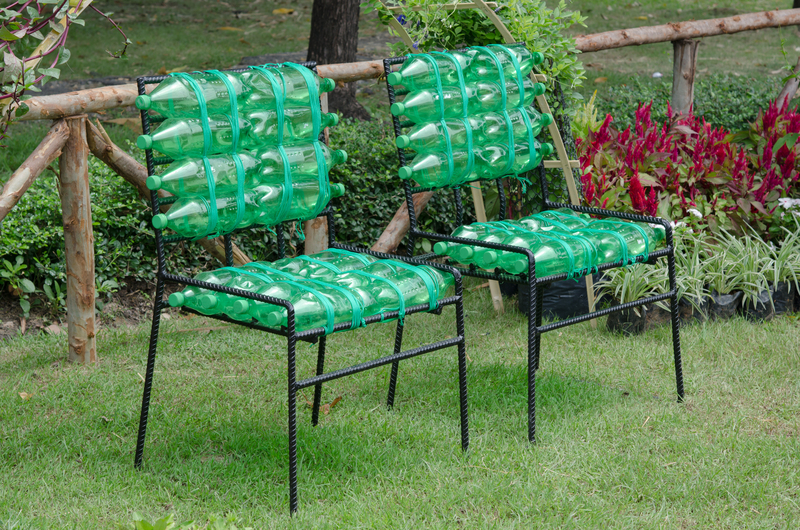
- Repurposing Projects: Creative endeavors can transform old furniture into desirable new items with a little DIY ingenuity.
Engaging in such eco-friendly activities reduces demand for new products and conserves natural resources.
Donations and Second-Hand Markets
Consider donating usable items to charities or selling them in second-hand markets:
- Charity Organizations: Many charities welcome furniture and appliances in good condition to aid those in need.
- Online Platforms: Use apps and websites to sell unwanted items to individuals seeking affordable purchases.
These strategies support community welfare while ensuring that usable items avoid the landfill.
Innovative Approaches to Hard Rubbish Disposal
Embracing technology and community initiatives can further enhance waste disposal efficiency:
Tech-Driven Solutions
The advent of smart technology is revolutionizing waste management. Some municipalities employ sensors and mobile apps to streamline rubbish collection and monitor waste levels in real-time.
Community Initiatives
Community clean-up days or neighborhood swaps offer excellent opportunities to dispose of unwanted items collaboratively, fostering a sense of community and environmental responsibility.
Conclusion: A Sustainable Future
Properly managing hard rubbish is a shared responsibility that necessitates awareness, creativity, and cooperation. By employing a combination of municipal services, recycling efforts, and community initiatives, we can significantly diminish the environmental impact of bulk waste.
As we strive toward a sustainable future, understanding and implementing effective waste disposal strategies is vital. Through collective efforts, we can ensure cleaner communities and a healthier planet.
Join the movement today, and champion the cause for sustainable waste management!