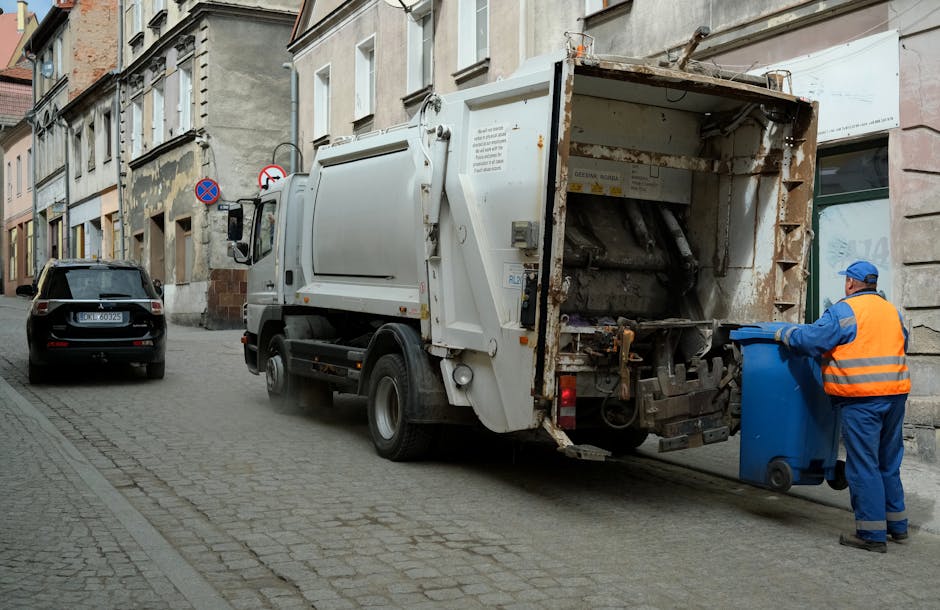
House clearance in Walthamstow

We provide house clearance in Walthamstow for homes that need unwanted items removed carefully, sorted and taken away in a way that keeps the process straightforward for the property owner or managing agent. The service can suit a full property, a single room, an attic, a cellar, or a clearance that focuses on particular items such as old furniture, mixed household contents or bulky waste. Our work is designed to help when a space needs to be emptied with a clear plan and with practical attention to what can be reused, recycled or disposed of appropriately.
House clearance often involves more than simply carrying items out of a property. Some jobs need a measured approach because they include fragile possessions, difficult access, stairways, shared entrances or items that may need separating before removal. We can handle mixed domestic contents and different room types, while keeping the emphasis on sensible organisation. If you are preparing for a move, dealing with an inherited property or making space for refurbishment, a well-planned clearance can make the next step easier. Clear communication at the start helps make sure the right work is carried out.
The service is suitable for customers who want a practical way to deal with accumulated items without having to sort every object alone. We can clear furnishings, general household contents and other bulky items as part of a broader house clearance plan, and we can adapt the work to suit the amount of material involved. For many customers, the most useful starting point is simply to define what should stay, what should go and whether any rooms need special care. That keeps the work focused and helps the quotation reflect the real job.
What a house clearance can include
A house clearance can involve several different tasks depending on the condition and layout of the property. In some homes, the job is mainly about removing a few large items; in others, it means clearing cupboards, loft contents, forgotten furniture and mixed household possessions from several rooms. Our approach is to treat the property as a whole and remove the agreed contents in a tidy and methodical way. That may include separating reusable items from general waste before the load is taken away.
When a property contains a wide mix of belongings, it helps to think in practical categories. Common clearance work may include:
- general furniture and furnishings
- loose household items and bric-a-brac
- bagged contents from storage areas
- bulky pieces that are awkward to move
- mixed items from lofts, garages or spare rooms
House clearances are often arranged alongside other property work, but the clearance itself should stay clear in scope. Some customers only need particular rooms emptied; others want a fuller removal of contents before cleaning, decorating or sale preparation. We can discuss the amount of material, the rooms involved and any items that need to be handled separately. If the clearance includes several different types of item, a concise list helps ensure nothing is overlooked and the work is properly priced.
Furniture, bulky items and room-by-room clearances

Large furniture is often the most awkward part of a house clearance because it can be heavy, difficult to turn in hallways and inconvenient to remove from upper floors. Sofas, wardrobes, tables, beds and cabinets may need to be dismantled or moved in stages, especially where stair widths or door frames are restrictive. We handle these practical challenges as part of the clearance rather than treating them as a separate problem, so the removal can proceed in a controlled way.
Room-by-room clearances are useful when only part of a property needs attention. A loft may hold boxes and older belongings that no longer need to stay, while a garage may contain a mixture of tools, household goods and redundant storage. Bedrooms, reception rooms and dining areas can also become cluttered with items that have simply stayed in place for too long. A targeted clearance keeps the focus on the spaces that matter most without requiring the entire property to be emptied at once.
For larger furniture loads, it is worth considering whether the items are grouped by room, size or type before the clearance takes place. This does not need to be complicated, but it can help avoid confusion on the day and can make the quotation more accurate. If a home contains bulky pieces alongside smaller household contents, the aim is to remove everything agreed while keeping the process orderly. Practical sorting at the outset often leads to a smoother job overall.
House clearance planning and quotation details
A sensible quotation is usually based on the amount of material, the rooms involved, the access arrangements and whether any items need extra handling. Stair access, parking restrictions, narrow passages and the need for careful removal all influence the work involved. If the property includes awkward pieces, mixed contents or items stored across several floors, that should be reflected in the estimate. The more clearly the scope is set out, the easier it is to match the quote to the actual clearance.
When you request a quotation, it helps to provide a brief description of the property and the items to be removed. Photos can be useful where they show the overall volume or any difficult access points, but they are most helpful when they are accompanied by a short explanation of what must stay and what should be taken away. If there are special instructions, such as separation of certain belongings or a preference for part-load clearance, those details should be included from the start so the work can be planned properly.
For a straightforward enquiry, a short written summary is often enough. Include the number of rooms affected, the main item types and whether the clearance is partial or complete. That gives room for an accurate response without unnecessary back-and-forth. If you are ready to move ahead, you can request a quotation using the contact details on the site. A clear brief helps us respond with a quote that reflects the actual job.
Supporting different property types
House clearance needs can vary significantly from one property to another. A flat may involve limited access, shared entrances or a need to keep disruption low in communal areas, while a larger family home may include several occupied and unused rooms that require different levels of sorting. Some properties are being prepared for sale or rental, while others need contents removed after a long period of accumulation. The clearance plan should suit the building as well as the items inside it.
In homes where storage spaces have built up over time, the work can extend beyond the main rooms and into lofts, basements, cupboards and outbuildings. These areas often contain mixed items rather than neatly grouped belongings, so the clearance needs a careful eye and a logical order of work. We can remove agreed contents from these spaces as part of a wider house clearance, making sure the removal is handled in a way that fits the property’s layout and the access available.
The best outcome usually comes from identifying the rooms or storage areas that matter most and deciding what level of clearance is needed in each. Some properties need a complete emptying; others simply need selected areas cleared so the next stage can begin. We work to the agreed scope and keep the focus on what the customer wants removed. If you have a property with several different room types, it is sensible to describe them separately so the clearance can be planned with care.
About Walthamstow
Walthamstow is a district in the London Borough of Waltham Forest, in north-east London, and it has long been shaped by a mix of housing, industry, green space and civic development. The area is known for its Victorian and Edwardian streets, interwar estates and later residential growth, with different parts of the district reflecting different phases of London’s expansion. Walthamstow Village retains a quieter historic character, with older buildings and conservation-minded streetscapes, while the town centre presents a more urban pattern of shops, markets and transport connections. The area also includes key routes and public spaces that link neighbourhood life together. Lloyd Park is one of the best-known green spaces, and the area’s waterways and open land connect it to the wider Lea Valley landscape. The William Morris Gallery, set in a Georgian house in Lloyd Park, reflects the district’s connection to the designer, writer and socialist campaigner William Morris, who lived in Walthamstow as a child. This cultural link sits alongside the area’s more everyday character as a place of homes, schools, local shopping and community activity. The historic market tradition in and around the town centre adds another layer, giving Walthamstow a strong sense of continuity between older civic life and modern residential change. Taken together, the district combines dense urban streets, green edges, and a varied built environment that gives it a distinct identity within London.
Clearance of lofts, garages and storage spaces

Lofts and garages often hold the items that have been kept “for later†and then forgotten. These spaces may contain boxes, old furniture, seasonal goods, broken household items and a mixture of practical storage that no longer serves a purpose. Clearing them can be more demanding than it first appears because of restricted access, low ceilings, awkward corners or uneven flooring. We can remove the agreed contents from these spaces and keep the work focused on the items that need to go.
Storage spaces can also be sensitive because they sometimes contain paperwork, keepsakes or items with personal value mixed in among general clutter. A careful house clearance should respect that difference. Where sorting is needed, it is best to decide in advance what should be set aside and what can be removed with the rest of the clearance load. This keeps the job efficient while avoiding accidental loss of items that ought to remain in the property.
For properties with multiple storage areas, a simple sequence works well: identify the space, decide the scope, then separate any items to keep. Once that has been done, the clearance can proceed with less disruption. This is especially useful where a garage, loft and shed all contain different categories of belongings. The result is a clearer workspace and a more manageable handover once the agreed contents have been taken away.
Recycling, reuse and responsible disposal
House clearance should make sensible decisions about what happens after items are removed. Some things may be suitable for reuse, while others may need to be broken down for recycling or taken for disposal. We work with the practical aim of handling the agreed contents responsibly, rather than treating everything as identical waste. That approach is especially helpful where a property contains a mix of furniture, household goods and miscellaneous items of varying condition.
Responsible handling starts with sorting. When possible, items that can be separated before disposal are identified as part of the clearance process, so the load can be managed more efficiently. That may include keeping recoverable furniture apart from general rubbish or identifying metal, wood and mixed material items that need different downstream treatment. A considered clearance is more orderly and can be better suited to the contents of an occupied or recently vacated home.
If you are comparing clearance options, it can help to ask how mixed household contents will be handled once removed. The answer should reflect the actual job and the types of items present. We focus on practical removal and sensible handling, keeping the process easy for the customer and straightforward for the property. Clear categories and sensible decisions at the outset make it easier to complete the work in a tidy way.
Preparing the property for a house clearance
A little preparation can make a house clearance simpler, especially where some belongings are to remain in the property. The most useful step is to mark out or describe the items that must stay, so there is no uncertainty once the work begins. If there are rooms with access difficulties, low ceilings, fragile surfaces or shared hallways, those details should also be made clear in advance. That helps the clearance proceed with the right level of care from the outset.
It is usually enough to provide a concise overview rather than an exhaustive inventory. A room-by-room summary, combined with any notes about access or separation of belongings, gives a realistic picture of the work involved. If the property is currently occupied, it may help to identify which areas should be left untouched. That avoids confusion and keeps the clearance focused on the agreed scope rather than extending into spaces that are not part of the job.
Once the main details are shared, the rest of the process is mostly about coordination. The customer decides what needs to go; we then plan the removal around those instructions and the layout of the property. If you are at the stage of gathering details, now is a sensible time to ask for a quotation. A clear brief allows the estimate to reflect the real amount of work rather than a guess.
House clearance for changing circumstances
There are many reasons a home may need clearing, and the practical work can look different in each case. A move, a refurbishment, a change of occupancy or the need to empty a long-used property all call for a clearance that is orderly and suited to the situation. Some jobs involve only a few bulky items, while others require the removal of contents from several rooms. The important point is that the scope is matched to the property and the items inside it.
Where a clearance is being arranged during a wider property change, timing matters. It helps to know whether the space must be left empty, partly cleared or prepared for another trade to follow. That information shapes how the work is organised and what level of removal is needed. A well-defined house clearance gives the next stage a cleaner starting point without adding unnecessary work to the day.
If you are planning ahead, a short note of what the property contains is often enough to begin. You do not need to sort every item beforehand, but it does help to know which rooms are involved and whether any large pieces require extra handling. From there, the clearance can be arranged in a way that suits the home and the agreed contents. Simple planning tends to save time later.
Office hours, access and practical arrangements

Access is a major factor in many house clearances, particularly where items must be carried through tight hallways, upstairs flats or shared entrances. The size and arrangement of the property can affect how the work is scheduled and how the items are removed. It is useful to mention parking limitations, entry points and any restrictions that could influence loading. That way, the clearance can be organised around the actual conditions on site rather than assumptions.
For customers who are collecting information before booking, one of the most helpful steps is to describe the clearance in plain terms: what the property is, which rooms are involved and what types of items need to be removed. If you have photographs, they can support that description, but they work best alongside a short explanation. A brief and accurate summary is usually enough to establish the scope and decide what the clearance should cover.
Once the details are in place, the rest of the process is about carrying out the agreed removal with care and clarity. If you are ready to move forward, use the site’s contact option to request a quotation. The clearer the brief, the easier it is to provide a suitable estimate for the house clearance.
House clearance choices for different contents
Not every house clearance involves the same types of items, so the right approach depends on what is actually in the property. A clearance that is mainly furniture-based may need different handling from one that includes small household goods, paperwork, storage overflow or mixed contents from a number of rooms. The most useful service is one that responds to those differences rather than assuming every job is identical.
Customers sometimes want to combine several categories of removal within one visit. For example, a property might contain a lounge suite, spare bedroom furniture and a collection of items from cupboards and storage spaces. In that case, the job is best viewed as a combined house clearance rather than a single-item removal. That allows the work to be organised by area and by item type, making the process more efficient and easier to understand.
Where there is uncertainty about the contents, a brief conversation or written summary can prevent delays. It is easier to plan a clearance when the main item groups are clear from the start. If you are deciding whether to clear only selected rooms or the entire home, the answer usually depends on how much remains in use. We can work to the agreed scope and remove the contents that have been set out in advance.
Request a quotation for house clearance in Walthamstow

If you need house clearance in Walthamstow, the next step is to outline the property, the rooms involved and the type of contents to be removed. A full or partial clearance can be quoted more accurately when the scope is clear, especially where furniture, storage items and mixed household contents are all part of the same job. The aim is to make the process straightforward from first enquiry to removal, with a quotation that reflects the actual work required.
For the most useful response, include any access details, whether the property is occupied or empty, and whether anything needs to be left behind. If there are stairs, narrow entrances or shared hallways, those should be mentioned too. That information helps shape a fair estimate and reduces the chance of surprises on the day. Clear instructions are the easiest way to keep the clearance well organised.
If you are ready, please request a quotation and tell us what needs to be cleared. We will use the details to assess the job and respond with the information needed to move forward.