Walthamstow Market rubbish removal guide for traders
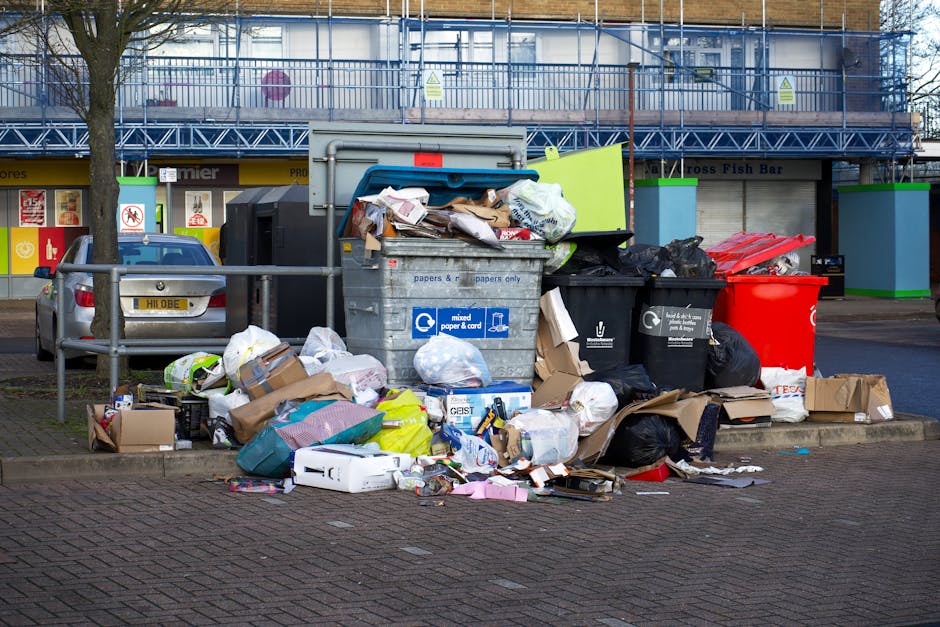
If you trade at Walthamstow Market, rubbish can pile up faster than you expect. One busy morning with cardboard, broken packaging, food waste, display offcuts, and a few unsellable items can leave your pitch looking messy before lunch. This Walthamstow Market rubbish removal guide for traders is here to help you deal with waste in a way that is practical, tidy, and fair to everyone around you.
Whether you are a regular stallholder, a seasonal trader, or someone covering a short run of dates, the basics are the same: keep your pitch clear, separate waste sensibly, avoid blocking walkways, and arrange removal that fits market life rather than fighting it. Truth be told, that small bit of planning makes a bigger difference than most people think.
In this guide, we will look at how market rubbish removal works, what traders usually need to think about, common mistakes to avoid, and how to build a routine that saves time. You will also find a checklist, a comparison table, and some no-nonsense advice for dealing with the awkward bits. Because there are always a few awkward bits, aren't there?
Why Walthamstow Market rubbish removal guide for traders matters
Market trading is fast-moving. Stock comes out, packaging goes down, customers browse, and suddenly your pitch has more waste than you planned for at 7:30 in the morning. If rubbish is not managed properly, it affects more than appearance. It can slow you down, create trip hazards, attract pests, and make set-up or pack-down much harder than it needs to be.
For traders, waste removal is not just about getting rid of junk. It is about keeping your working space safe and professional. A clean pitch makes a better first impression, and that matters in a place where people are deciding in seconds whether to stop, look, and buy.
It also matters because shared trading environments depend on respect. If one stall leaves loose waste behind, everyone nearby feels it. The wind picks up cardboard. A damp food container ends up under someone else's table. A crate gets left where a shopper or delivery driver needs to pass. Small stuff, big irritation.
If your business also operates beyond the market, it can help to think of waste as part of your wider operation. Traders who use business waste removal or broader waste removal services tend to find it easier to stay consistent, especially during busier trading periods.
Expert summary: The best rubbish removal system for market traders is not the one that looks impressive on paper. It is the one you can repeat calmly, every trading day, without slowing your setup or creating a mess at pack-down.
How Walthamstow Market rubbish removal guide for traders works
At its simplest, market rubbish removal follows a three-part rhythm: collect, sort, remove. You collect waste during trading, sort what can be reused or recycled, and remove the rest in a controlled way once you have the chance. That sounds obvious, but the difference is in the details.
Most traders generate a mix of waste. Some of it is light and bulky, like cardboard or paper wrapping. Some of it is messy, like food waste or damaged produce packaging. Some of it is awkward, like broken display pieces, old signage, or damaged stock that cannot be sold. If you do not keep those streams separate, everything becomes harder to move and dispose of properly.
A good process usually starts before the market opens. That means bringing the right bags, boxes, crates, and labels, then setting aside a small area where waste can be contained. You do not need a complicated system. You need one that works in a tight pitch and does not get in the way when customers are around.
Many traders also use a separate clearance service for larger items that should not be handled as everyday rubbish. For example, damaged tables, shelving, or unsellable furniture may be better dealt with through furniture disposal or, if the items are being replaced in bulk, furniture clearance.
In practice, the process often looks like this:
- Set up your stall with waste storage in mind.
- Keep recyclable, general, and food-related waste separate where possible.
- Use secure containers so nothing blows away or spills.
- Clear the pitch before things become cluttered.
- Arrange collection or disposal at the end of the trading day, or as part of a regular routine.
Simple? Yes. Always easy? Not quite. Especially when it is wet, windy, and you have had a long day. But a routine beats improvising every time.
Key benefits and practical advantages
A proper rubbish removal plan gives traders a lot more than a tidy patch of pavement. It creates breathing room. It keeps your day moving. And it reduces those small headaches that seem harmless in the moment but become annoying by Friday afternoon.
1. A cleaner, more professional stall
People notice clutter. They may not say it out loud, but they notice. A clean pitch looks more trustworthy, and trust matters in market trading. If your stall feels organised, customers are more likely to browse for longer.
2. Less wasted time during pack-down
When rubbish is already grouped and sorted, closing up takes less effort. You are not rummaging through mixed waste looking for reusable bags, decent boxes, or that one missing sign support. Little win, but a real one.
3. Lower risk of trips and spills
Loose packaging, broken crates, and overfilled bags can create hazards fast. That matters in a busy market where people are moving in tight spaces, often with trolleys, prams, or trays of stock.
4. Better recycling and less waste sent away needlessly
A simple sorting habit can divert a surprising amount from general waste. Clean cardboard, for instance, is usually much easier to handle than mixed rubbish. If sustainability matters to your business, you may also want to look at the company's approach to recycling and sustainability.
5. More predictable costs
Regular waste habits tend to cost less than emergency clear-outs. When rubbish accumulates, you often end up paying for urgency, extra labour, or larger loads than you needed in the first place. Planning saves money. Not glamorous, but true.
| Approach | Best for | Main advantage | Main drawback |
|---|---|---|---|
| Daily bag-and-box sorting | Small traders with steady waste | Easy to maintain | Needs discipline every day |
| Scheduled waste collection | Busy or high-volume stalls | Reliable and efficient | May cost more than ad hoc disposal |
| One-off clearance | Refits, stock changes, end-of-season clear-outs | Removes larger loads quickly | Not ideal for routine waste |
Who this is for and when it makes sense
This guide is for anyone trading at or around Walthamstow Market who needs a practical way to deal with waste. That includes food traders, clothes sellers, homeware stalls, craft traders, vintage sellers, and anyone with mixed stock that produces packaging or display waste.
It also makes sense if you only trade on certain days. In fact, occasional traders can be the ones who need the most help. You arrive with a van full of stock, focus on setting up, and by the end of the day you are dealing with a small mountain of wrapping, damaged boxes, and unsold items. The day is over, you are tired, and the bin situation suddenly matters a lot.
It is especially useful if you:
- Generate bulky packaging or cardboard every trading day
- Need to clear damaged stock without leaving it behind
- Share loading or storage space with other traders
- Want to improve presentation around your pitch
- Need a better plan for end-of-day collection
- Are replacing fixtures, furniture, or display equipment
If your waste is not just lightweight rubbish but includes heavier items from a stall refresh, it may overlap with builders waste clearance in the sense that the load contains broken fittings, timber, offcuts, or packaging from a fit-out. That is the kind of mixed waste that often becomes awkward if you leave it too late.
And if your working base is upstairs, in a flat, or tucked away in a small storage space, you may also find flat clearance useful for understanding how to move awkward loads out safely. Different setting, same principle: do not let waste take over the space.
Step-by-step guidance
Here is a practical way to handle rubbish removal without overcomplicating your day. Nothing fancy. Just a routine you can actually stick to.
Step 1: Work out your waste types
Start by identifying what you usually throw away. Most traders have a pattern, even if they have not written it down. For example:
- Cardboard boxes and wrapping
- Plastic film and protective packaging
- Food waste or spoilage
- Damaged stock
- Broken stands, hangers, or display pieces
- General rubbish from customers or trading activity
This matters because not every item should be handled the same way. A crate of clean cardboard is a very different job from a bag of mixed waste that has been sitting in the rain since 3 p.m.
Step 2: Put a sorting system in place
Use separate bags, boxes, or containers for the main waste types. If you have the space, label them plainly. You do not need something elaborate. In fact, the simpler the better. "Cardboard", "general", and "breakdowns" is usually enough to begin with.
Step 3: Protect your pitch from spillages
Wet waste, sharp edges, and loose wrapping are the usual troublemakers. Keep containers closed where possible and avoid overfilling. When bags split, the mess tends to travel. You know the sort of thing: one awkward gust of wind and half your packaging is doing laps of the market.
Step 4: Clear as you go
Do not wait until everything has stacked up. A small sweep halfway through the day keeps your area manageable. This is particularly important if you trade food, textiles, or anything that creates slippery scraps and fine debris.
Step 5: Separate reusable items from rubbish
Some things that look like waste are really just future stock, fixtures, or packing material. Before you bin them, ask yourself whether they could be reused, repaired, donated, or stored. That one habit can save you money and reduce disposal volume.
Step 6: Arrange removal in a way that fits your timetable
End-of-day pack-down is often the best moment to deal with waste, but not always. Some traders need a same-day pickup; others store waste briefly and clear it on a scheduled basis. The right choice depends on your stock type, space, and trading pattern.
If you are dealing with an office, storage room, or back-of-house area rather than the stall itself, office clearance can be a useful route for more structured decluttering and removal.
Expert tips for better results
The difference between a messy waste routine and a good one often comes down to a handful of habits. Nothing revolutionary. Just the kind of practical detail that makes a day easier.
- Use stronger bags than you think you need. Thin bags split at exactly the wrong moment, usually after you have already tied them shut.
- Keep dry and wet waste apart. Mixed waste is heavier, dirtier, and harder to handle.
- Flatten cardboard early. Flat boxes take up far less space and are easier to stack.
- Store a small "waste kit" in your kit bag. Gloves, ties, markers, spare bags, and wipes save a lot of hassle.
- Plan for bad weather. Rain changes everything. Cardboard gets soggy, bags get slippy, and even the cleanest setup can turn awkward.
- Use a simple end-of-day sweep. Five minutes now can save twenty later.
A small, regular habit is better than a heroic tidy-up at the end of a brutal shift. Let's face it, by then you want tea, not a wrestling match with packaging.
If your pitch generates a lot of household-style items, mixed furniture, or domestic overflow, you may also benefit from services like home clearance or, for larger residential jobs, house clearance. They are not market-specific, but the thinking around sorting and removal is very similar.
Common mistakes to avoid
Most waste problems come from a few repeat mistakes. The good news is they are all avoidable once you spot them.
Leaving waste until the very end
If you wait until pack-down to sort everything, the pile gets larger, heavier, and more annoying. It also becomes easier to forget what is recyclable and what is not.
Using one container for everything
This is probably the biggest shortcut that backfires. Mixed waste is harder to move and more likely to cause issues when you are trying to dispose of it properly. One bin is not really a system. It is just a bin.
Ignoring bulky items
Broken tables, shelves, pallets, and display units are not the same as general rubbish. They often need a separate plan. A trader who leaves bulky waste "for later" usually ends up with a bigger headache later.
Overfilling bags and boxes
Too much weight in one bag can lead to splits, spills, and awkward lifting. Split loads are quicker to move anyway, so there is no real prize for cramming everything into one monster bag.
Forgetting about shared spaces
Loading areas, walkways, and nearby stalls matter. Waste should never block access or become someone else's problem. A good trader is tidy not only at their pitch but around it.
Not thinking about what can be reused
Sometimes traders throw out items that could have been used again, stored, repaired, or stripped for parts. A quick pause before disposal can save money and reduce waste volume.
Tools, resources and recommendations
You do not need a shed full of gear to manage market rubbish well. A few sensible tools go a long way.
- Heavy-duty sacks for mixed waste and non-sharp general rubbish
- Flat-pack boxes for cardboard and lightweight packaging
- Reusable crates for separating stock, waste, and returns
- Markers and labels to identify container contents quickly
- Gloves for safe handling of sharp or dirty items
- Ties or tape to secure loose packaging
- A foldable trolley if you have a longer carry to the collection point
For traders managing more than just day-to-day rubbish, a professional clearance route is often the simplest option. The key is choosing the right kind of service for the load. For example, if you are disposing of old stockroom items, seasonal shelves, or unwanted fittings, furniture disposal may be more suitable than treating everything as ordinary waste.
And if your trade has led to clutter in a back room, storage unit, or garage-style prep area, garage clearance can be a sensible comparison point for how larger mixed items are removed in stages rather than all at once.
One small recommendation: keep a written note of what waste you produce over a couple of busy weeks. Nothing complicated. Just a rough record. That gives you a far better idea of whether you need daily collection, weekly removal, or something more ad hoc.
Law, compliance, standards, or best practice
For traders, the main compliance principle is straightforward: waste should be handled responsibly and in line with normal UK business expectations. That includes keeping waste secure, preventing litter, and making sure it is collected or removed by a suitable route. If a material is produced by your trading activity, treat it as part of your business waste, not something to leave behind and hope disappears.
It is also wise to think about safety. Sharp packaging edges, broken display materials, and heavy bags can all cause injury if handled badly. Good manual handling habits matter. So does not overloading containers. Not exciting advice, but there it is.
Best practice usually means:
- Keeping waste contained during trading hours
- Preventing obstruction of public areas
- Separating recyclable and non-recyclable waste where practical
- Using safe lifting techniques
- Choosing services that are transparent about how they work
- Checking terms, pricing, and insurance information before booking
If you want a clearer idea of how a provider presents its working standards, it can be useful to read pages such as health and safety policy, insurance and safety, and terms and conditions. Those pages do not replace your own judgement, of course, but they do show whether a company is taking the basics seriously.
Payment and admin matter too. Traders often work quickly, so it helps if the provider has clear expectations on booking and billing. A page like payment and security is worth reviewing before you commit, just to avoid surprises later.
Options, methods, or comparison table
There is no single best method for every trader. The right approach depends on how much waste you produce, what type it is, and how often you need it gone. Here is a simple comparison.
| Method | Best use case | Pros | Cons |
|---|---|---|---|
| Self-managed bagging and disposal | Low-volume waste and light packaging | Cheap, flexible, easy to start | Can become messy if not disciplined |
| Scheduled collection | Consistent weekly or daily waste output | Reliable, saves time, keeps routine | Less flexible if volumes change suddenly |
| One-off clearance | End-of-season, refits, stock changes | Fast removal of bulky or mixed items | Not suited to everyday waste |
| Combined waste and furniture removal | Stall upgrades or storage clear-outs | Good for mixed loads | Needs a bit more planning |
In a busy market setting, a hybrid approach often works best. Many traders keep daily waste under control themselves, then book a larger clearance when they are refreshing displays, replacing broken stockroom items, or clearing a storage space. That gives you breathing room without overpaying for collection too often.
Case study or real-world example
Imagine a trader selling homewares and small decorative items. On a normal day, the waste is fairly light: cardboard inserts, wrapping, broken tags, and the odd damaged item. But on a busy Saturday, the trader also opens a new stock delivery and changes the front display. Now the pile includes flattened boxes, polystyrene-style packaging, an old shelf unit, and a few broken display props.
At first, it all goes into one corner "for later". That corner grows. By mid-afternoon, it is in the way of the stock trolley and starting to look untidy from the front of the pitch. Customers notice. Staff have to step around it. Then the weather turns damp and everything gets heavier.
What changed when the trader switched to a better routine?
- Cardboard was flattened immediately
- Reusable packaging was put aside before anything went to waste
- Broken display items were separated from general rubbish
- A small trolley was used for end-of-day clearing
- Larger items were booked for removal instead of being squeezed into ordinary bags
The result was less stress, a cleaner stall, and a much easier close-down. Nothing dramatic. Just a calmer day. And honestly, that is often the real win.
Practical checklist
Use this checklist before, during, and after trading to keep rubbish under control.
- Bring enough heavy-duty sacks or boxes for the day
- Label containers for cardboard, general waste, and special items
- Flatten boxes as soon as they are empty
- Keep wet waste sealed and separate where possible
- Store sharp or broken items safely
- Do a mid-day tidy if your pitch gets busy
- Remove clutter from walkways and customer areas
- Set aside reusable packaging before disposing of anything
- Plan how bulky items will be removed
- Confirm your collection or clearance schedule in advance
- Check that your waste is not blocking shared access spaces
- Review whether a larger clearance is needed after stock changes
If you are still deciding which kind of removal support fits your setup, it can help to look at service pages that match the type of load you have. For example, loft clearance can be useful as a reference point for awkward, stacked, hard-to-reach items, while furniture clearance suits bigger pieces that should not be left sitting around.
Conclusion
Good rubbish removal is one of those things that quietly keeps a market trader's day on track. You only really notice it when it goes wrong. A cluttered pitch, split bags, messy pack-down, and awkward bulky waste can drain energy that should be going into customers and sales.
The simplest approach is usually the best one: sort waste early, keep a routine, separate bulky items from everyday rubbish, and choose a removal method that fits the way you actually trade. Once that system is in place, everything feels easier. Cleaner too. And, to be fair, a tidy stall just gives you a better start to the day.
Get a free quote today and see how much you can save.
When you make waste handling part of your trading rhythm, the whole pitch runs better. Small improvements add up, and that is often what keeps a busy market day feeling manageable rather than chaotic.
Frequently Asked Questions
What is the best rubbish removal method for market traders?
The best method depends on how much and what type of waste you produce. Light, regular waste is often easiest to manage through a simple sorting routine, while bulky items or mixed loads may need scheduled collection or one-off clearance.
Do traders need separate waste handling for cardboard and general rubbish?
Yes, if possible. Separating cardboard from mixed rubbish makes the load easier to handle and can help reduce unnecessary disposal costs. It also keeps your pitch tidier.
How often should a market trader clear waste?
That depends on trading volume. Some traders clear waste daily, others do it at the end of each trading day or on a set weekly schedule. The main thing is not to let it build up.
Can broken stall furniture be treated as ordinary rubbish?
Usually not. Broken tables, shelving, or display units are better treated as bulky items or part of a dedicated clearance. That is cleaner and safer than trying to squeeze them into general waste bags.
What should I do with damaged stock?
If the stock cannot be sold, check whether it can be reused, repaired, or stored. If not, remove it through the most suitable waste route rather than leaving it on the stall.
Is it worth booking a professional waste removal service for a market pitch?
If your waste is regular, bulky, or awkward to move, yes. A professional service can save time and reduce the hassle of handling larger loads yourself.
How do I keep rubbish from blowing away at the market?
Use sealed bags or lidded containers where possible, flatten cardboard, and avoid overfilling sacks. Wet or loose packaging should be secured quickly, especially on windy days.
What mistakes do traders make most often with rubbish removal?
The biggest mistakes are leaving waste until the end of the day, mixing all waste together, overfilling bags, and forgetting about bulky items that need a separate plan.
Can I reuse packaging instead of throwing it away?
Often, yes. Clean cardboard, crates, and protective material can sometimes be reused for storage, transport, or future stock deliveries. It is worth checking before you bin it.
What if my trading space includes a back room or storage area?
Then waste management needs to cover more than the pitch itself. A back room can fill up quickly, so it helps to treat that space as part of the same system and clear it regularly.
How do I know whether I need a one-off clearance or regular collection?
If your waste is predictable and steady, regular collection is usually best. If you are changing stock, upgrading fixtures, or clearing a full space, a one-off clearance is often the better choice.
Where should I start if my waste system is a bit of a mess?
Start small. Sort your waste into just two or three groups, flatten cardboard straight away, and clear bulky items separately. A simple routine is easier to keep going than a complicated one.
If you are ready to tidy up your trading routine and handle waste more efficiently, the next step is simple: review your current setup, decide what you can sort better, and plan removal before it becomes a problem. That little bit of order can make the whole week feel lighter.