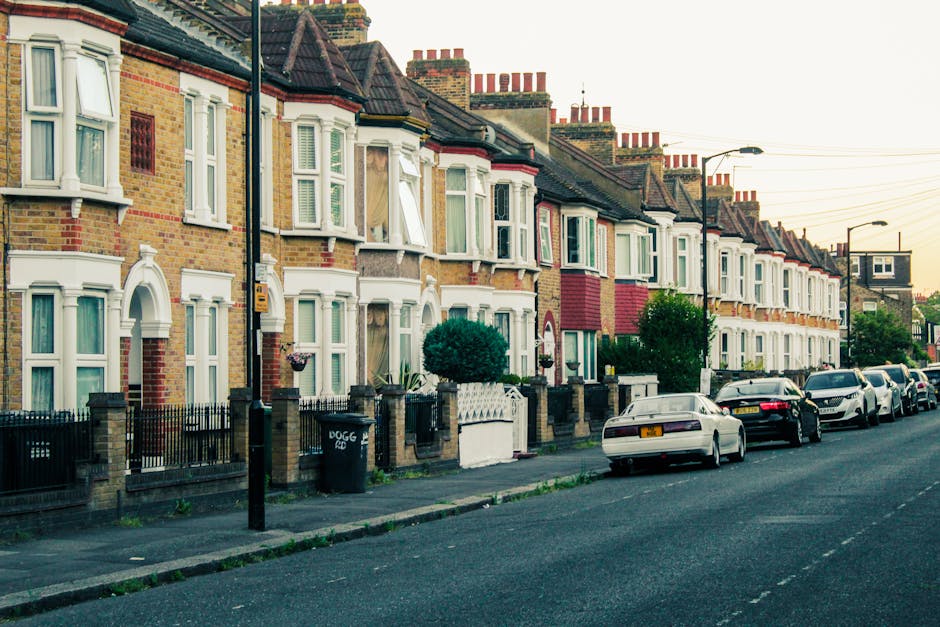
Walthamstow Village House Rubbish Clearance Guide
If you are dealing with a crowded hallway, an overfull loft, or the kind of spare-room clutter that quietly grows legs, this Walthamstow Village house rubbish clearance guide will help you get sorted without the stress. Clearing a house is never just about "getting rid of stuff"; it is about doing it safely, legally, and in a way that actually makes your home feel lighter afterwards. In a place like Walthamstow Village, where properties can be older, access can be a bit tight, and neighbours are close by, the details matter. A good plan saves time, avoids unnecessary mess, and stops one simple job turning into a whole weekend saga.
In this guide, you will find a clear explanation of how house rubbish clearance works, what to check before you book anything, where people often go wrong, and how to choose the most practical option for your home. Whether you are clearing after a move, tackling years of accumulated items, or simply making space again, the goal is the same: get the job done properly, with as little faff as possible.
Table of Contents
- Why Walthamstow Village house rubbish clearance guide Matters
- How Walthamstow Village house rubbish clearance guide Works
- Key Benefits and Practical Advantages
- Who This Is For and When It Makes Sense
- Step-by-Step Guidance
- Expert Tips for Better Results
- Common Mistakes to Avoid
- Tools, Resources and Recommendations
- Law, Compliance, Standards, or Best Practice
- Options, Methods, or Comparison Table
- Case Study or Real-World Example
- Practical Checklist
- Conclusion
- Frequently Asked Questions
Why Walthamstow Village house rubbish clearance guide Matters
House rubbish clearance sounds straightforward until you are actually standing in front of the pile. Then the questions start. What counts as rubbish? What can be donated? What needs special handling? How do you move bulky pieces without scraping walls or blocking the pavement? In a neighbourhood like Walthamstow Village, these questions are more than theoretical. Many homes have narrow entrances, limited driveway access, shared roads, or small front gardens, so the practical side of clearance becomes important very quickly.
A strong clearance plan matters because it protects three things at once: your time, your property, and your peace of mind. If you rush, you may end up making multiple trips, lifting things twice, or leaving items out longer than intended. If you ignore sorting, you can accidentally dispose of useful items or create avoidable waste. And if you skip safety checks, you may end up with back strain, broken crockery, or a chipped banister that becomes a much less cheerful problem later on.
There is also the question of responsibility. In the UK, household waste has to be handled properly, and it is always wise to use a service that can explain where items go and how they are processed. Good clearance is not just "remove and disappear". It should leave you confident that the job has been dealt with in a tidy, sensible way.
Expert summary: the best house rubbish clearance is the one that removes clutter, protects salvageable items, reduces risk, and leaves your home feeling calmer rather than just emptier.
How Walthamstow Village house rubbish clearance guide Works
Most house rubbish clearance jobs follow a similar pattern, even if the house itself is very different. It usually begins with an assessment of what needs to go, how much space it will take, and whether any items need special handling. From there, you sort the property into rough categories: keep, donate, recycle, and remove. That simple structure helps a lot. Without it, everything turns into one giant and oddly depressing heap.
In practice, a clearance team will usually ask about access, item type, and volume. They want to know whether they can park nearby, whether the property is upstairs or downstairs, and whether you have anything unusually heavy, awkward, or fragile. If you are clearing a loft, for example, the route down is just as important as the items themselves. A room full of bags is one thing. A room full of old wardrobes, broken lamps, and a heavy chest of drawers is another entirely.
For homeowners, landlords, and executors, the process is often similar, but the priorities differ. A landlord may want the property cleared quickly between tenancies. A family member clearing an inherited home may need extra care and time to decide what should be kept. Someone moving house may simply want to remove unwanted items before the sale photos are taken. Different situation, same basic principle: plan first, lift second.
If you are also dealing with specific spaces, related services can sometimes make the job easier. For example, a property with a cluttered attic may benefit from loft clearance, while items from a packed dining room or living space may be better handled through furniture clearance. For whole-property work, a broader house clearance approach is often the simplest route.
Key Benefits and Practical Advantages
The obvious benefit is space. That part speaks for itself. But a good rubbish clearance job gives you more than room to walk around without sidestepping a bag of old magazines. It can make a property safer, easier to clean, and much more manageable if you are preparing for decorating, selling, renting, or family use.
Another practical advantage is speed. A task that might take a homeowner several trips over several days can often be completed in a single visit with the right planning. That matters when you are balancing work, children, the school run, or the simple fact that nobody wants to spend a Sunday dragging broken furniture down narrow stairs. To be fair, most people have better things to do.
There is also emotional relief, which is easy to underestimate. Clearing a house often brings up decisions you did not expect to make. You find documents in a drawer, a box of childhood photos, or the small kitchen chair that has been there for years. A considered clearance process gives you space to pause, keep what matters, and move on without feeling like you have rushed through something important.
- Less stress: one organised process instead of lots of random trips.
- Better safety: fewer manual lifting risks and fewer trip hazards.
- Cleaner finish: the home is left easier to inspect, clean, or stage.
- More recovery value: reusable items can be separated from true waste.
- Better timing: clearance can be aligned with moving dates or contractor schedules.
Who This Is For and When It Makes Sense
This guide is useful for homeowners, tenants, landlords, letting agents, executors, and anyone dealing with clutter that has crossed the line into "this is now a project". The most common situations include end-of-tenancy clear-outs, bereavement clearances, pre-sale preparation, spring decluttering, and post-renovation tidying. If you have recently finished a DIY job and the hallway contains paint tins, offcuts, and dusty packaging, that counts too.
It also makes sense when the job is bigger than a normal council collection or when the items are too awkward to move safely by yourself. That might include heavy furniture, mattresses, broken shelving, old appliances, bags of mixed rubbish, or garden waste that has somehow multiplied in the shed. If you are staring at the lot and thinking, "where do I even begin?", that is usually your cue.
For smaller but still annoying jobs, a mixed approach can work well. A few items of furniture may be handled separately through furniture disposal, while garden-related clutter might be easier to manage with garden clearance. A garage that has become a holding bay for every odd item in the house may need garage clearance. Different room, different headache.
Step-by-Step Guidance
If you want the process to feel manageable, break it into stages. The house does not need to be solved in one heroic burst of energy. In fact, trying to do everything at once is how people end up surrounded by three bags, two rolls of tape, and a deep feeling of regret.
- Walk through the property. Make a simple list of what needs removing and note anything fragile, heavy, hazardous, or sentimental.
- Separate items into categories. Keep, donate, recycle, and remove. If you are not sure about an item, put it in a "decision later" pile.
- Check access. Think about stairs, door widths, parking, lift access if relevant, and whether anything may need two people to move safely.
- Identify special items. Appliances, paint, electricals, and anything contaminated should be flagged early. A good provider will tell you how these are usually handled.
- Remove easy wins first. Start with bagged waste, cardboard, small loose items, and obvious recycling. That creates room fast.
- Measure the remaining load. Even a rough idea helps with planning. One room of mixed clutter is very different from a whole house of contents.
- Book the clearance. Choose a service that is clear about pricing, timing, and what is included. If you need an estimate, use the site's pricing and quotes information first.
- Prepare the day before. Clear a path, protect surfaces if needed, and make sure pets, children, and neighbours are taken into account.
- Do a final sweep. Check cupboards, loft corners, and behind doors before anything is removed. You would be surprised how often one last drawer contains the important bits.
If you are unsure whether you need a full property visit or just help with a few awkward items, a more general home clearance option can be a sensible middle ground. It is often easier than trying to piece together several separate jobs.
Expert Tips for Better Results
A good clearance is mostly about judgement. The more clearly you decide what should happen to each item before the van turns up, the smoother the day will go. One of the biggest mistakes people make is leaving too much sorting until the last minute. It sounds efficient. It usually is not.
Here are a few practical habits that make a real difference:
- Photograph awkward items before booking, especially if they are bulky or dismantled. It helps everyone understand what is involved.
- Keep a separate box for valuables such as documents, jewellery, passports, keys, and anything sentimental.
- Label rooms and piles if more than one person is helping. A small bit of tape can save a big bit of confusion.
- Do not overfill bags. Heavy sacks are harder to handle and more likely to split. That is one of those little things that becomes a big thing fast.
- Ask about recycling and reuse. A responsible clearance provider should be able to explain how items are separated or diverted where possible.
Also, think about timing. If you are clearing before a property sale, aim to finish before photography or viewings. If you are clearing after builders have left, it is often better to wait until dust and offcuts have been gathered properly rather than rushing and creating two separate clear-outs. Bit of patience here pays off.
For people comparing broader services, it can help to understand whether you need a specific room clearance or a wider waste solution. A general waste removal service is useful for mixed loads, while a more focused furniture job may suit furniture clearance. Matching the service to the load usually means better value.
Common Mistakes to Avoid
Most clearance problems are avoidable. They come from rushing, guessing, or assuming every item can be treated the same way. It is surprisingly easy to turn a straightforward job into a messy one.
- Not checking access first. A sofa that will not fit through the hall is not a pleasant surprise on removal day.
- Mixing keep and remove items together. Once piles blur, mistakes happen. They really do.
- Ignoring fragile surfaces. Narrow staircases, old plaster, and polished floors need more care than people often expect.
- Leaving hazardous items unmentioned. Anything unusual should be raised in advance, not discovered halfway through the job.
- Choosing solely on price. Cheapest is not always best if it leads to poor communication, hidden charges, or a rushed finish.
- Forgetting the follow-up clean. Once the clutter is gone, dust and debris can still linger. A quick tidy after the removal helps the house feel properly reset.
One more thing: do not underestimate the emotional drag of a clear-out. It is normal to hesitate over old possessions. That does not mean you are indecisive. It means you are human. Give yourself a little room to decide.
Tools, Resources and Recommendations
You do not need a van load of equipment to manage a house clearance properly, but a few basic tools make life much easier. Strong bin bags, marker pens, packing tape, gloves, a torch for cupboards and loft corners, and a simple notepad are often enough to get started. If you are clearing in the evening or early winter light, a torch really helps. The back of a wardrobe never looks quite as exciting under a beam of phone light, but there it is.
It also helps to have somewhere temporary to place items you plan to keep. A spare room, labelled boxes, or even a covered corner of the landing can work. The point is to avoid re-mixing everything once sorting has begun.
If you want a provider with a clearer overview of who they are and how they work, the about us page is useful background. For questions about availability or how a job might be arranged, the contact us page is the natural next step. And if you want to understand how pricing is handled, the pricing and quotes page is worth reviewing before you commit.
For people who care about what happens after collection, it is also sensible to look at recycling and sustainability. A solid clearance service should not treat everything as the same bin-liner problem. Sorting and recovery matter.
Law, Compliance, Standards, or Best Practice
House rubbish clearance sits in a practical but regulated space. You do not need to become a waste expert to manage your own home, but it is sensible to understand the basics. Household waste should be passed to a responsible carrier, and the person arranging the clearance should make sure items are handled appropriately. That includes avoiding fly-tipping, separating reusable goods where possible, and dealing carefully with anything that is potentially hazardous.
If you are using a company, it is reasonable to expect proper insurance, sensible safety procedures, and clear communication about how the work will be carried out. For that reason, pages such as insurance and safety and health and safety policy can help reassure you that the basics are being taken seriously. If you want to understand how disputes are handled, a published complaints procedure is also a good trust signal.
There are a few best-practice ideas worth keeping in mind even if no one is forcing the issue: do not place items on public land without permission, do not leave waste exposed for too long, and do not assume someone else will sort the tricky bits for you. Be clear. Be tidy. Keep records if needed. Simple enough, but useful.
For businesses or mixed-use properties, different rules and expectations may apply, particularly around storage, disposal records, and site safety. In those cases, a more tailored business waste removal service may be more appropriate than a standard domestic collection.
Options, Methods, or Comparison Table
There is no single right way to clear a house. The best option depends on the amount of waste, the type of items, your time, and how much lifting you want to do yourself. Here is a simple comparison to help you decide.
| Method | Best for | Pros | Limitations |
|---|---|---|---|
| DIY with car trips | Small loads, lightweight items, very flexible timing | Low direct cost, full control | Time-consuming, tiring, parking and disposal hassle |
| Mixed DIY and professional help | Medium jobs where some items are easy to sort | Balanced cost and convenience | Needs good planning or piles get mixed again |
| Full professional house clearance | Large volumes, bulky furniture, tight deadlines | Fast, practical, less manual work for you | Usually more expensive than doing it all yourself |
| Room-by-room clearance | Homes with clutter spread across several spaces | Structured, less overwhelming, easier to prioritise | Can take longer if the house is very full |
If the property is a flat or maisonette rather than a full house, the same principles apply but access and stair use become even more important. In those cases, flat clearance can be the cleaner fit. The label matters less than the practical reality of the job, though. What are you actually removing, and how quickly do you need it gone?
Case Study or Real-World Example
Picture a typical Walthamstow Village home after years of "I will sort that later." There is a box room with old paperwork, a loft with broken luggage, a garage holding spare chairs and garden odds, and a living room where a heavy unit has finally outstayed its welcome. Nothing dramatic. Just accumulated life.
The first sensible move is not to start lifting. It is to identify what is staying. That sounds obvious, but it changes everything. Once the keeper items are set aside, the actual clearance becomes much simpler. In one recent-style scenario, the owner used the hallway as a sorting zone for a few hours, kept a small box of documents and photographs, separated a couple of reusable pieces of furniture, and flagged the rest for removal. The result was a much calmer process. Less wandering about. Fewer "should we keep this?" interruptions.
The biggest improvement came from preparation. Paths were cleared before the team arrived, the loft ladder was checked, and there was space near the front door for items going out. The whole job felt smoother because the house had been prepared to be cleared. That small distinction matters more than people expect. And yes, there was one dodgy lamp that nobody could quite identify. It went, eventually.
The takeaway? A house clearance works best when the home is treated like a sequence of decisions, not one giant obstacle.
Practical Checklist
Use this checklist before any house rubbish clearance in Walthamstow Village. It will save time, and probably a headache or two.
- Walk through every room, cupboard, loft space, and shed.
- Separate keep, donate, recycle, and remove piles.
- Set aside important documents, keys, money, and sentimental items.
- Measure or photograph bulky furniture and awkward access points.
- Check whether stairs, parking, or narrow entrances will affect the job.
- Identify anything fragile, hazardous, or unusually heavy.
- Confirm what type of clearance you need: house, home, loft, garage, furniture, or waste removal.
- Review pricing information and service details before booking.
- Prepare clear access paths inside and outside the property.
- Make sure pets, children, and neighbours are considered on the day.
- Do a final check for hidden items in drawers, cupboards, and loft corners.
If the job looks too large to handle safely on your own, it probably is. No drama. That is exactly what support is for.
Get a free quote today and see how much you can save.
Conclusion
A good Walthamstow Village house rubbish clearance guide should leave you feeling more capable, not more confused. The main thing is to approach the job in stages: sort carefully, think about access, handle bulky items safely, and choose a method that suits the size of the task. That is how you turn a cluttered property into a space that feels usable again.
Whether you are clearing one room, several floors, or an entire house, the same principle holds true: prepare well and the rest gets easier. A little structure goes a long way, honestly. And once the space is cleared, you get that quiet, satisfying moment when the room finally looks like itself again. That moment is worth it.
For anyone ready to move from planning to action, the best next step is simple: look at the options, ask sensible questions, and get the help that fits the job rather than forcing the job to fit your weekend. Small step. Big relief.
Frequently Asked Questions
What does a house rubbish clearance usually include?
It usually includes the removal of unwanted household items such as general rubbish, broken furniture, bagged waste, old household goods, and other non-hazardous clutter. Depending on the job, it may also include sorting items for reuse or recycling.
How is house clearance different from waste removal?
House clearance is usually broader and may involve removing contents from rooms, lofts, garages, or entire properties. Waste removal is often used for mixed rubbish or specific loads. In practice, there is overlap, but house clearance tends to focus more on property contents.
Do I need to sort everything before the clearance team arrives?
No, but some sorting helps a lot. It is best to separate items you want to keep and set aside anything important. A basic keep-and-remove split makes the whole process smoother and reduces mistakes.
Can furniture be taken away as part of a house clearance?
Yes, furniture is commonly part of a clearance job. Sofas, tables, wardrobes, chairs, and similar items are often removed. If furniture is the main issue, a more focused furniture clearance or furniture disposal approach may be useful.
What should I do with sentimental or valuable items?
Take them out of the property first and store them somewhere safe. Keep documents, jewellery, photographs, keys, and anything with personal value in a separate box before any clearance begins.
How long does a typical house rubbish clearance take?
It depends on the amount of waste, access, and the type of items involved. A small job may be relatively quick, while a full house or a property with awkward access can take much longer. Preparation makes a noticeable difference.
Is it better to choose a full house clearance or do it room by room?
If the property is very full or you have a deadline, a full house clearance is often the easier option. If you are not in a rush, room-by-room clearance can be more manageable and less overwhelming. It depends on the size of the job and your energy level, really.
What happens to items that can be reused or recycled?
Responsible clearance services aim to separate reusable items from general waste where possible. Recycling and sustainability practices vary, so it is sensible to ask how items are sorted and processed.
Should I be worried about safety during a clearance?
Yes, a little caution is wise. Heavy lifting, narrow stairs, old flooring, and sharp or broken items can all create risks. Good planning, proper handling, and clear access reduce the chance of problems.
How do I know if a clearance company is trustworthy?
Look for clear information about pricing, safety, insurance, complaints, and terms. Useful pages include insurance and safety, health and safety policy, and terms and conditions. Clear communication is usually a good sign too.
Can I combine loft, garage, and furniture clearance in one visit?
Often, yes. Many homes have clutter spread across different spaces, so combining the job can be more efficient. If that sounds like your house, a broader home or house clearance approach may make more sense than booking separate visits.
What is the best first step if I feel overwhelmed?
Start with one room and one category, usually "keep" versus "remove." Do not try to solve the whole house in one go. Once you get the first pile under control, the rest becomes much less intimidating.
Sometimes the smallest bit of progress is enough to change the mood of the whole house. That is usually where the real momentum starts.