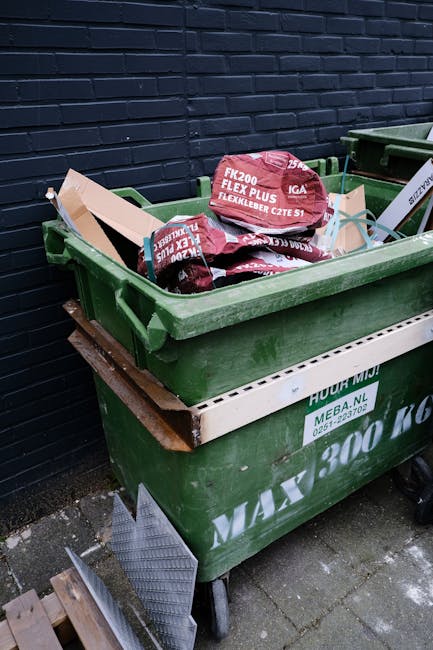
Lea Bridge Road what to know about rubbish collection
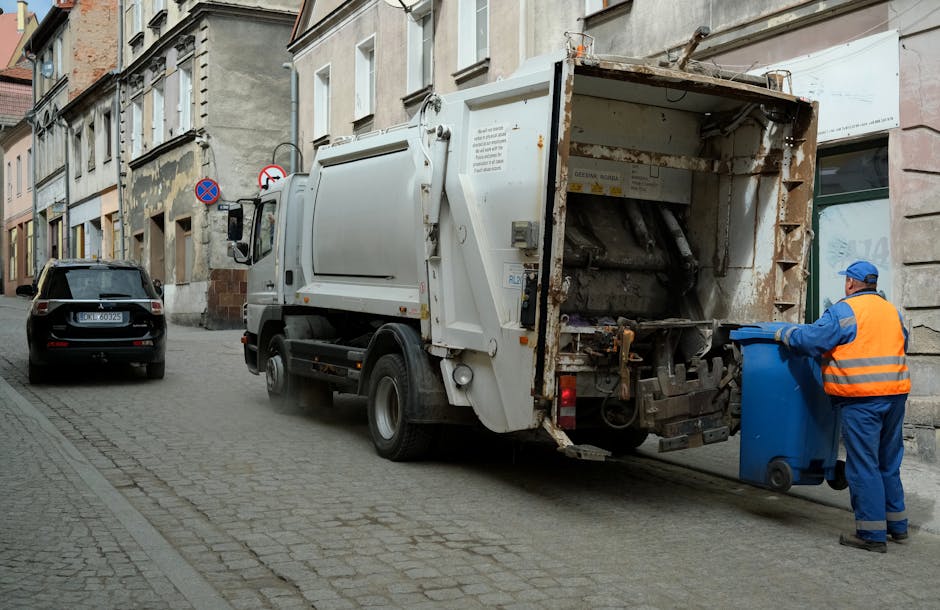
If you live, work, or manage a property near Lea Bridge Road, rubbish collection is one of those everyday jobs that only becomes interesting when it goes wrong. Bags pile up. A bulky item will not fit in the lift. A builder leaves rubble behind. Suddenly the whole place feels untidy, cramped, and a bit stressful.
This guide to Lea Bridge Road what to know about rubbish collection is designed to help you sort the simple stuff quickly and handle the awkward stuff properly. You will learn how collection usually works, what to check before booking, how to avoid common mistakes, and when a more complete service makes life easier. Truth be told, it is often less about "getting rid of rubbish" and more about choosing the right method for the type of waste you actually have.
We will keep it practical, local, and honest. No fluff. No miracle claims. Just clear guidance you can use whether you are clearing a flat, tidying a shopfront, dealing with garden waste, or trying to make sense of a messy end-of-tenancy week.
- Understand the difference between regular waste, bulky rubbish, and mixed clearance jobs
- Learn what affects timing, access, and collection costs
- See when a service such as waste removal is the better fit
- Use a checklist to avoid missed items, delays, and surprise charges
Quick takeaway: If your rubbish is light, bagged, and predictable, collection is usually straightforward. If it is heavy, awkward, mixed, or urgent, the planning matters more than the lifting.
Table of Contents
- Why Lea Bridge Road rubbish collection matters
- How rubbish collection works
- Key benefits and practical advantages
- Who this is for and when it makes sense
- Step-by-step guidance
- Expert tips for better results
- Common mistakes to avoid
- Tools, resources and recommendations
- Law, compliance and best practice
- Options and comparison table
- Case study or real-world example
- Practical checklist
- Conclusion
- Frequently asked questions
Why Lea Bridge Road what to know about rubbish collection Matters
Lea Bridge Road sits in one of those busy London corridors where homes, flats, small businesses, builders, and delivery vehicles all share the same limited space. That alone makes rubbish collection a bit more complicated than a "leave it outside and hope for the best" situation. There may be narrow entrances, controlled parking, busy peak hours, shared bin stores, and neighbours who are already tired of clutter in communal areas.
So why does it matter so much? Because rubbish affects more than appearance. It affects access, hygiene, fire safety, and the general feel of a property. A hallway stacked with old furniture is not just unsightly; it can block movement. A front garden full of bagged waste can invite pests. A pile of builder's debris can stall a project. Let's face it, nobody wants to deal with that on a wet Tuesday morning.
There is also the practical side. Not all rubbish is handled the same way. Mixed household waste, green waste, commercial waste, and construction waste each need different treatment. If you understand the basics, you can choose the right option first time and avoid paying twice because the job was booked too narrowly.
For many properties, rubbish collection is also tied to the wider clearance picture. A single collection might solve the immediate problem, but if you are clearing a loft, garage, or whole flat, it may make more sense to look at broader services such as house clearance or flat clearance. The right choice depends on volume, access, and how much sorting you want to do yourself.
How Lea Bridge Road what to know about rubbish collection Works
At a basic level, rubbish collection is simple: waste is gathered, loaded, transported, and taken to the appropriate processing point. The detail is what matters. The way a collection works depends on the type of waste, how much there is, and how easy it is to access the property.
For a standard job, the process usually looks something like this:
- You describe the waste clearly, including roughly how much there is and what it includes.
- You arrange a collection window that fits access, parking, and your schedule.
- The waste is loaded safely and removed.
- Items are sorted for reuse, recycling, or disposal where possible.
That sounds neat on paper. In real life, things like parking restrictions, basement steps, lifted furniture, or a cupboard full of mixed items can slow everything down. If you are on or near Lea Bridge Road, access planning matters. A van cannot just materialise on the kerb because the job looked small in the photos. Well, if only.
For business premises, the workflow is a little different. Waste may need to be removed outside trading hours, from rear access, or in a way that keeps customers safe. If that sounds familiar, it may be worth comparing household collection with business waste removal so the schedule matches your operations.
Bulky items also change the process. A sofa, wardrobe, mattress, or broken desk is not the same as a few bin bags. You often need extra hands, the right vehicle, and a careful route out of the property. If the item is still in usable condition, it may be worth thinking about furniture clearance before defaulting to disposal.
Key Benefits and Practical Advantages
Good rubbish collection is not just about tidiness. It gives you breathing room, mental clarity, and a safer space to live or work in. That may sound a bit dramatic, but if you have ever walked into a cluttered room and immediately felt tired, you already know the effect.
Here are the benefits that matter most in the real world:
- Faster space recovery: You get usable floor space back quickly, which is especially helpful in flats and shared homes.
- Better hygiene: Waste is removed before it starts to smell, attract pests, or cause damp, sticky corners, or stains.
- Less lifting and sorting for you: A properly arranged collection removes a lot of manual hassle.
- Reduced disruption: A tidy job with clear timing is easier on neighbours, staff, and family members.
- More suitable handling: Different waste streams can be separated and processed more appropriately.
- Peace of mind: You know the job is being handled in a structured way rather than pieced together in a rush.
There is another advantage people sometimes overlook: momentum. Once the rubbish is gone, everything else feels easier. A room that looked impossible to tackle yesterday suddenly looks manageable. Small win, but a real one.
If the task is larger than a one-off collection, services like home clearance can help when you want a broader clean sweep without managing every item one by one. The same goes for awkward spaces such as a loft clearance or garage clearance, where access and dust often make DIY removal slower than expected.
Who This Is For and When It Makes Sense
Rubbish collection near Lea Bridge Road makes sense for a wide range of people. Some jobs are tiny. Some are not. The point is knowing which bucket your situation falls into before you start dragging bags down stairs.
This is especially useful for:
- Households clearing everyday waste: Broken household items, old packaging, or accumulated bagged rubbish.
- Tenants and landlords: End-of-tenancy waste, abandoned items, or a flat that needs resetting between occupiers.
- Homeowners and families: Loft, garden, garage, and spare-room clear-outs that have grown legs.
- Small businesses: Office clutter, stock-room waste, packaging, and old furnishings.
- Trades and refurb jobs: Builders' debris, offcuts, stripped-out fixtures, and job-site mess.
It also makes sense when the waste is emotionally awkward. That happens more than people admit. A family home can contain old paperwork, worn furniture, and items with a story attached to them. In those situations, the task is not just disposal. It is decision-making, and that can slow even the most organised person down.
If your job includes old chairs, tables, wardrobes, or appliances, a specialist route such as furniture disposal can be more appropriate than treating everything as general rubbish. And if you are clearing a property after a move, a bereavement, or a big life change, a calmer, broader service is often the kinder option.
Step-by-Step Guidance
Here is the simplest way to approach rubbish collection without overcomplicating it.
1. Sort the waste into clear groups
Start by separating what you have. Bagged household waste, bulky items, garden cuttings, renovation debris, and electronics should not be lumped together if you can avoid it. The clearer the categories, the easier it is to plan the right removal method.
2. Estimate volume honestly
Try to estimate the amount of rubbish as honestly as possible. People often underestimate. A pile that looks small in a corner can fill a van when stacked properly. Take a second look from across the room. It usually tells a truer story.
3. Check access
Think about stairs, lifts, shared corridors, gated entry, loading space, and any tight corners. If you are on Lea Bridge Road or nearby side streets, parking can be the quiet little issue that turns a quick job into a slow one.
4. Decide whether you need a simple collection or a fuller clearance
If you only have a few bags, simple rubbish collection may be enough. If you are dealing with mixed contents, furniture, or a whole room of items, a broader clearance can save time and hassle. That is where services like house clearance or office clearance can come in handy.
5. Prepare the items
Put waste where it can be loaded safely. Keep sharps secured, flatten boxes where possible, and remove small loose items from inside larger furniture. If something is heavy or fragile, say so up front. Nobody enjoys surprises halfway down a staircase.
6. Confirm what is included
Always make sure you know what is being collected, what is excluded, and whether there are extra charges for stairs, heavy lifting, or additional loads. Clear expectations make for a smoother day.
7. Leave the space tidy enough for the next stage
Once the waste is gone, take a quick look around. A swept floor and a clear route make the space immediately more usable. It is a small step, but it changes the feel of a room fast.
Expert Tips for Better Results
Over time, the jobs that go well all tend to follow the same pattern: clear information, sensible timing, and no last-minute chaos. Easy to say, harder to live by when a deadline is breathing down your neck, I know.
- Take photos in daylight: Natural light gives a more accurate view of volume and item condition than a dark hallway does.
- Group similar waste together: It helps with loading, sorting, and quoting.
- Keep a "do not remove" corner: A small area for documents, keys, or items you are still deciding about saves headaches.
- Book earlier if access is tight: Narrow roads, timed parking, or busy weekends need extra planning.
- Ask about recycling and reuse: Not everything needs to go the same route. Good operators will sort items responsibly where possible.
- Plan around neighbours: If you share walls, lifts, or a driveway, a respectful time slot can make a big difference.
One more useful habit: measure awkward items before collection day. A wardrobe that looks "medium" can become "absolutely not" once you try to angle it through a doorframe. We have all been there.
If sustainability matters to you, it is worth looking at a provider's approach to recycling and sustainability. In practice, that means checking whether items are sorted sensibly and handled with reuse in mind where appropriate.
Common Mistakes to Avoid
The biggest mistakes are usually simple ones. Not dramatic. Just costly, annoying, and avoidable.
- Booking based on guesswork: A rough "it's only a few bags" estimate can be wildly off.
- Forgetting about access: The waste may be ready, but the route out may not be.
- Mixing restricted items with general rubbish: Some materials need separate handling, so do not assume everything goes in one pile.
- Leaving everything until the last minute: That is how you end up with a half-finished room and no energy left to finish it.
- Assuming all collections are the same: Household rubbish, builders' waste, garden waste, and office items all behave differently.
- Not reading the details: Small terms about weight, labour, or access can matter more than you think.
A very common one on busy London roads is underestimating parking or loading time. It sounds tiny. It is not tiny. If a vehicle cannot pull in safely, everything takes longer, and that can affect the day for everyone involved.
Another mistake is mixing sentimental decision-making with removal day. If you are still deciding whether to keep something, move it out of the collection zone. One bag left behind can become three. Funny how that happens.
Tools, Resources and Recommendations
You do not need fancy tools to organise rubbish collection, but a few basic things help enormously.
- Strong bags and tape: Useful for preventing splits and spills.
- Marker pen: Label items or bags if some things are staying and some are going.
- Gloves: Good for sorting dusty, sharp, or awkward rubbish.
- Trolley or sack truck: Helpful for moving heavier items short distances.
- Measuring tape: A surprisingly good way to avoid doorframe mistakes.
If you are trying to work out the right service, the site pages can help you compare options. For example, pricing and quotes can help you understand how a job may be assessed, while insurance and safety is useful if you want reassurance around handling and liability.
For properties with different types of clutter, it can also help to think in layers:
- Light, bagged waste: Usually the simplest to organise.
- Bulky household items: May need furniture-focused removal.
- Outdoor waste: Garden cuttings, soil, and broken planters can be handled differently.
- Trade waste: Builders' debris often needs a dedicated approach.
If your job is more specialised, you may need a service aimed at the type of waste, not just the location. That is especially true for builders' waste clearance and garden clearance, where materials are heavier and messier than standard household rubbish.
Law, Compliance, Standards, or Best Practice
When rubbish is being collected, there are a few common-sense standards worth keeping in mind. In the UK, waste should be handled responsibly, and the person producing the waste still has a duty to be careful about where it ends up. You do not need to turn this into a legal seminar, but you should avoid choosing a service on price alone if the handling looks vague or sloppy.
Best practice usually means:
- clear description of the waste before collection
- safe lifting and loading methods
- appropriate handling of different waste types
- respect for access, neighbours, and shared spaces
- responsible disposal or sorting where applicable
If you are dealing with commercial waste, keeping internal records and service terms clear is sensible. If it is a residential job, the main thing is making sure items are not left in an unsafe state and that the collection route is practical. That is the plain-English version. No drama, just good practice.
It is also worth checking service policies if the job has sensitive elements. For example, a provider's terms and conditions, complaints procedure, and privacy policy can tell you a lot about how seriously they treat the basics. Not glamorous reading, admittedly, but useful.
Options, Methods, or Comparison Table
There is more than one way to deal with rubbish near Lea Bridge Road. The right option depends on time, access, waste type, and how much effort you want to put in yourself.
| Option | Best for | Pros | Watch out for |
|---|---|---|---|
| Bagged rubbish collection | Everyday household waste | Simple, quick, low effort | Not ideal for heavy or bulky items |
| Bulky item removal | Sofas, beds, wardrobes, white goods | Reduces lifting and stress | Access, stairs, and item size matter |
| Full clearance | Rooms, flats, lofts, garages, estates | Broad, efficient, less back-and-forth | Needs a clearer briefing and more planning |
| Trade or builders' waste collection | Refurbs, repairs, site clean-downs | Handles heavier, messier waste properly | May require more sorting and careful loading |
| Self-haul | Very small amounts if you have transport | Flexible if you already have the kit | Time, labour, fuel, and disposal effort fall on you |
For many readers, the deciding factor is not cost alone. It is effort. If a job needs multiple trips, a helper, and half a Saturday, the "cheap" option can turn expensive in real life. That is just how it goes.
Case Study or Real-World Example
Picture a typical late-spring cleanup near Lea Bridge Road. A small two-bedroom flat has built up years of clutter: three bags of general rubbish, a broken chest of drawers, an old armchair, flattened cardboard, and a few garden bits from a balcony planter. Nothing outrageous. But enough to make the living room feel crowded and the hallway awkward.
At first glance, the resident thinks it will take "a quick bag run." Then they notice the stairwell is narrow, the lift is out for maintenance, and the armchair will not fit round the landing corner without being tilted. Suddenly it is not a bag run anymore. It is a handling and access job.
The better approach in that kind of situation is to treat the job as a small clearance rather than standard rubbish collection. The waste gets grouped, the route is checked, and the items are removed in one go instead of in frustrating bits and pieces. By the end of the morning, the flat feels quieter. You can hear the floorboards again. Oddly satisfying, that.
A similar story plays out in offices. A team clearing an old storage room may start with "just a few boxes" and end up with files, broken chairs, and shelving to remove. That is where services linked to office clearance can save time and keep things orderly.
Practical Checklist
Use this before booking or arranging collection.
- Have I sorted the waste into sensible groups?
- Do I know roughly how much there is?
- Is access clear from the property to the collection point?
- Have I thought about stairs, lifts, and parking?
- Do I know whether any items are bulky, heavy, or awkward?
- Have I separated items I want to keep?
- Do I understand what the collection includes?
- Have I checked whether this is really a simple collection or a fuller clearance?
- Have I considered recycling, reuse, or disposal separately?
- Is the timing realistic for the space, the people involved, and the road conditions?
One small tip: put the "definitely going" items in a visible cluster and the "not sure yet" items somewhere else entirely. It sounds almost too simple, but it saves arguments and mistakes.
For larger or mixed projects, it may also help to review about us so you understand the service approach and what kind of support the team provides. If you need to raise a question directly, the contact us page is the obvious next step.
Conclusion
Lea Bridge Road rubbish collection is easiest when you match the service to the job. That is really the heart of it. Light household rubbish, bulky furniture, garden waste, and builder's debris all ask for slightly different handling, and planning for access matters just as much as the waste itself.
If you take one thing from this guide, let it be this: the more clearly you define the waste, the smoother the collection will be. A bit of sorting upfront saves time, money, and last-minute stress later. And on a busy London road, a calm plan is worth its weight in gold, honestly.
If you are unsure whether your job is a simple collection or something bigger, step back and look at the whole picture. In many cases, a fuller clearance is the easier route. In others, a targeted pickup is all you need. Either way, you will make a better decision once you know what you are dealing with.
Get a free quote today and see how much you can save.
Sometimes the best feeling is not the empty room itself. It is the quiet that comes after.
Frequently Asked Questions
What should I know first about rubbish collection on Lea Bridge Road?
Start with the type of waste, how much there is, and whether access is easy. Those three things usually decide whether a simple collection is enough or whether you need a fuller clearance.
Is rubbish collection the same as waste removal?
People use the terms interchangeably, but in practice rubbish collection often sounds like a simpler pickup, while waste removal can cover more types of waste and a broader job.
What if I only have a few bags of rubbish?
If it is genuinely small and bagged, a straightforward collection may be enough. Just make sure the bags are secure and you know exactly where they will be collected from.
How do I know if I need furniture disposal instead?
If your main items are bulky pieces like sofas, beds, tables, or wardrobes, furniture-specific removal is usually the better fit. It avoids treating awkward items like ordinary bagged waste.
Can I mix garden waste with household rubbish?
You can sometimes do that operationally, but it is better to mention it clearly. Mixed loads are often easier to handle when described upfront, especially if the job includes soil, branches, or heavy cuttings.
What makes rubbish collection tricky on a busy road?
Parking, traffic flow, shared entrances, and narrow access points are the usual culprits. On a road like Lea Bridge Road, timing and loading space matter more than people expect.
Is it worth booking a full clearance instead of a collection?
If you have multiple item types, clutter in more than one room, or limited time, yes, it often is. Full clearance can be simpler than trying to solve the job piecemeal.
How can I prepare my home before collection day?
Sort items, keep walkways clear, set aside anything not being removed, and make sure the route out of the property is safe. A little preparation makes the whole process faster.
What should I ask before confirming a booking?
Ask what is included, whether access affects the job, how bulky items are handled, and whether the quote is based on volume or labour. Clear questions save awkward surprises later.
Do businesses on Lea Bridge Road need a different approach?
Usually yes. Shops, offices, and workspaces often need removal timed around opening hours, deliveries, staff movements, or customer access, so business waste removal is often the more suitable route.
What if I am clearing a loft, garage, or spare room?
Those jobs often benefit from a more complete service because there may be a mix of old boxes, broken items, and dusty clutter. A targeted service like loft clearance or garage clearance can save a lot of effort.
How do I choose a trustworthy provider?
Look for clear service information, sensible policies, good communication, and a practical approach to safety and waste handling. It should feel organised, not vague. Trust your instincts a little there.